
In many Spanish-speaking countries, especially when we look for recipes, beauty products or information about nuts, it is common to find the terms almond y almonds. This can cause confusion, since many people wonder if there really is any difference between the two or if it is the same nut with different names. In this article, We clarify in a simple and detailed way what the differences are between almond and almonds, its uses, nutritional value and why names vary by region of the world.
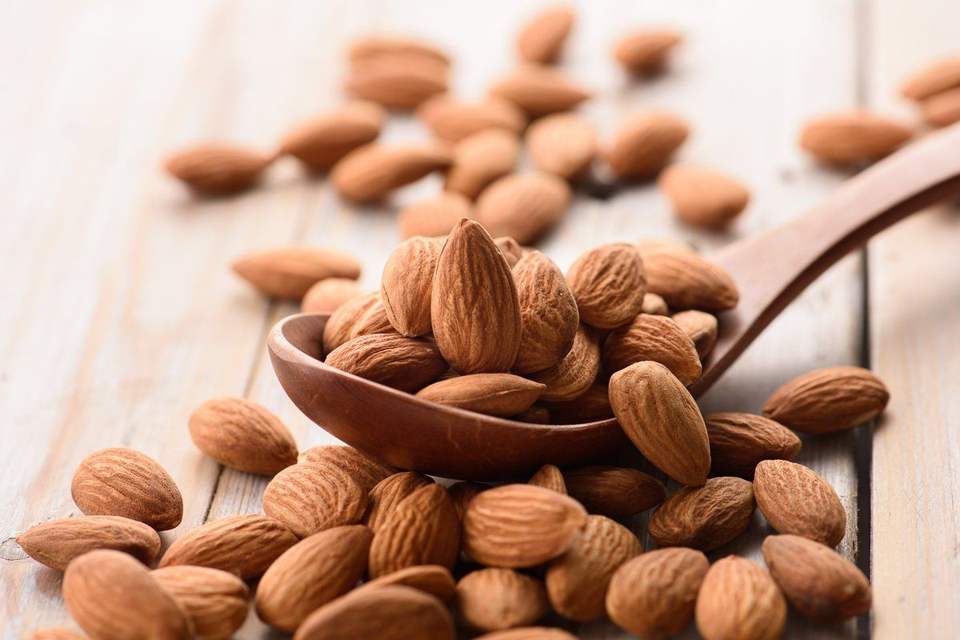
1. ¿Almond and almond are the same?
The short answer is: Yeah, almond and almond are exactly the same.
the word almond It is used in South Asian countries, especially in India, Pakistan, Bangladesh and Afghanistan, where it comes from Persian and Urdu languages. Meanwhile, “almond” is the term used in Spanish and derives from Latin amygdala.
So, the dried fruit is the same; what changes is the cultural name.
2. Why are there different names??
The different names respond to factors linguistic and cultural:
- Almond: common term in Hindi, urdu, Persian and other South Asian languages.
- Almond: term used in all Spanish-speaking countries.
- In English, the dried fruit is known as almond.
- in Arabic, is called loz (Loose).
It is important to understand that, although the tree, the seed and its characteristics are the same, cultural contexts give rise to different names.
3. Are there different types of almonds?
Although almond and almond refer to the same fruit, yes there are different almond varieties, and this causes some of the confusion. Some people believe that almond It is a special type of almond, but it's not like that. What happens is that in India and South Asia some varieties are better known.
Common varieties in the world
- Californian almond
Popular in the United States and Latin America; It is usually larger and more uniform. - Spanish almond
With higher oil content and more intense flavor. - Iranian or Afghan almond
Highly appreciated in Asia, with a sweeter flavor and slightly thinner skin. - Mamra almond
A premium variety originating from Iran and Afghanistan. This is the variety that is often associated specifically with almond in India due to its price and quality.
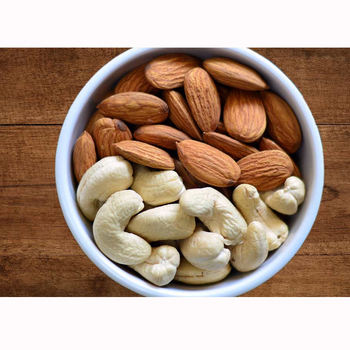
4. Differences in flavor and shape depending on the variety
Although almond and almond are the same, yes there may be differences in flavor, size and texture due to variety:
- Las Californian almonds they are softer, large and economical.
- Las mamra almonds (mamra almond) They have a sweeter taste, irregular shape and higher oil content.
- Las spanish almonds They have thicker skin and more aromatic flavor.
That's why, Some people believe that “badam” is a different almond; In fact, it's just one variety most used in Asia.
5. Nutritional comparison: almond vs. almond
From a nutritional point of view, there is no difference between badam and almond if they come from the same variety. However, some varieties like Mamra may have slight variations.
Even so, on average, 100 g of almonds provide:
- Protein: 21 g
- healthy fats: 50 g
- Fiber: 12 g
- Vitamin E: 25 mg
- Magnesium: 268 mg
- Calories: about 575 kcal
Almonds are known for their high concentration of antioxidants, monounsaturated fats and cardiovascular health benefits.
6. Common uses: do they change between almond and almonds?
The uses are practically identical; only the cultural context changes.
Common uses in Asia (almond)
- badam milk (traditional indian drink).
- Desserts like almond halwa o kheer.
- Ayurvedic blends to improve memory and energy.
- Sweet badam oil for massage and cosmetics.
Common uses in Hispanic countries (almonds)
- almond milk.
- Confectionery: nougat, marzipan, cakes.
- Consumption as a healthy snack.
- Almond oil for skin and hair.
The dishes change, but the ingredient is exactly the same.
7. Difference in prices
In South Asia, the term almond It is usually associated with varieties imported from Iran and Afghanistan, especially the Mamra almond, which is usually more expensive due to:
- Limited production.
- More natural growing process.
- Higher oil content and more intense flavor.
That's why, In Indian markets there is a clear difference between California almonds (more economical) y Mamra almond (premium).
8. which is better?
There is no universal answer. It depends on what each person is looking for.:
- To consume daily: Californian or Spanish almond (more economical).
- For special desserts or Ayurvedic benefits: mamra almond.
- For cosmetic oil: any sweet almond is suitable.
Conclusion
Actually, there is no difference between badam and almond: Both terms refer to the same nut.. The confusion comes from the different varieties available in each region and the linguistic origin of the name. While almond is the traditional South Asian term, “almond” is the word used in Spanish. Variations in flavor, size or price depend exclusively on the variety and not on the name.
If you are looking at a recipe that uses almond, you can use almonds without problem. They are the same product with a different name, adapted to its cultural context.
DT Food Machine is a professional manufacturer of nut processing machinery, recognized for its quality, innovation and efficient solutions. We offer peeling equipment, toasted, grinding and complete lines for almonds, peanuts and other nuts. Our technology guarantees high performance, low consumption and consistent results for small and large businesses.