
French potatoes are one of the most consumed accompaniments in the world. Behind your success, There is a key factor: The efficiency in the cutting process. To achieve rapid production, uniform and quality, is used the French machine to make potatoes, an equipment designed to transform whole potatoes into perfect strips ready for frying.
In I am going to present a complete technical guide, explaining what it is, how it works, What are its most important parameters and why has it become an indispensable investment for both gastronomic businesses and food factories?.
1. What is a French fries maker??
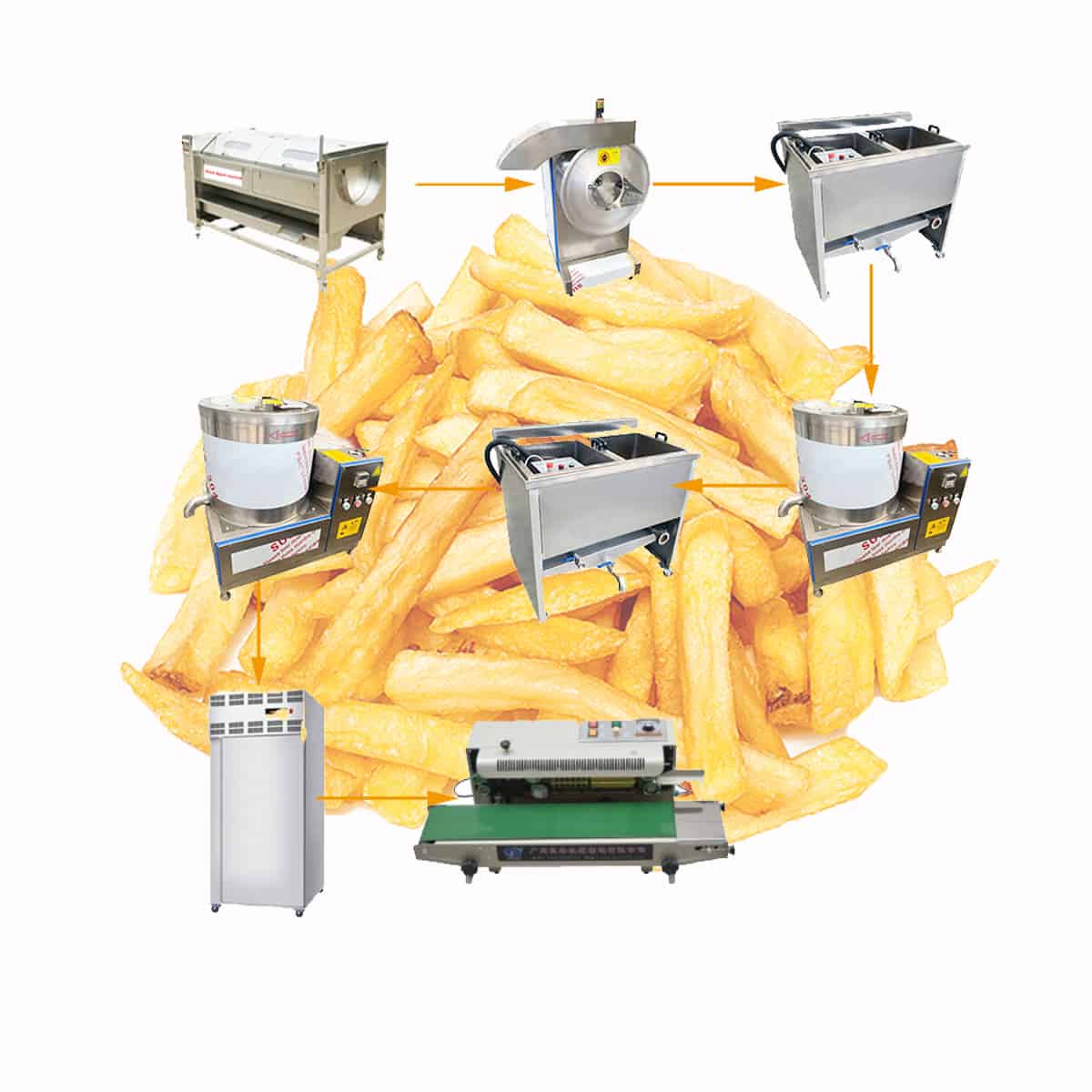
A french fries making machine is a mechanical or electromechanical device designed to cut potatoes into homogeneous strips, popularly known as French fries.
Its main objective is optimize production time, reduce manual effort and ensure uniform cutting, which is essential so that the potatoes fry evenly and maintain a texture that is crispy on the outside and soft on the inside.
Depending on the model, could be:
- Manual: operated with a lever or manual pressure.
- Semi -automatic: with mechanical assistance, ideal for small businesses.
- Automatic or industrial: equipped with electric motor, capable of processing tens of kilos per hour.
2. Main components of the machine
Although there are different types, Almost all French fry makers share a basic structure:
- Stainless steel body: guarantees resistance, durability and ease of cleaning.
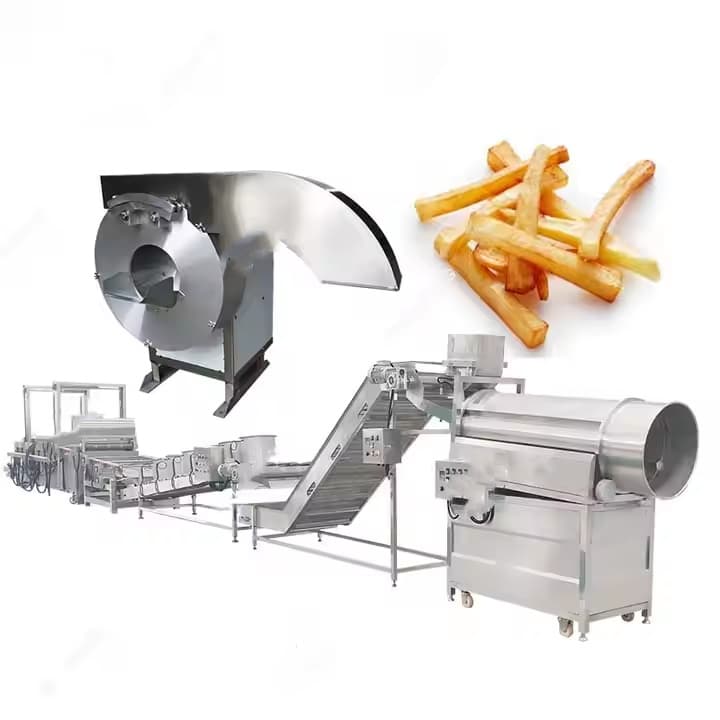
- Interchangeable blades: define the thickness of the potatoes (8×8 mm, 10×10 mm, 12×12 mm, etc.).
- Lever or pressure mechanism: in manual models.
- Electric motor: in automatic or industrial equipment.
- Feeding tray: where are the whole potatoes placed.
- Security System: protects the operator during use.
- Non-slip base or fixings: for greater stability.
3. Most important technical parameters
When choosing a French machine to make potatoes, It is crucial to review your specifications. Next, the most common parameters are presented:
3.1 Physical dimensions
- Domestic models: 30 × 15 × 20 cm
- Semi-professional models: 50 × 25 × 40 cm
- Industrial models: 120 × 60 × 150 cm
3.2 Manufacturing material
- Stainless steel 304: corrosion resistant, suitable for food use.
- Stainless steel 316: greater chemical resistance (used in large industries).
- Food grade plastics: present in some economic models.
3.3 Production capacity
- Manuals: 5–10 kg/hour
- Semi -automatic: 20–50 kg/hour
- Industrial: 100–500 kg/hour
3.4 Available cutting sizes
- 8 × 8 mm → thin and crispy potatoes.
- 10 × 10 mm → standard cut.
- 12 × 12 mm → thick potatoes.
- Some models allow you to customize the cut.
3.5 Electrical power (for automatic models)
- Home: 220 V / 50 Hz / 0.25–0.5 kW
- Semi Professional: 220–240 V / 50 Hz / 0.75–1.0 kW
- Industrial: 380 In Trifasico / 50–60 Hz / 1.5–3.0 kW
3.6 Safety standards and certifications
- CE (Europa)
- FDA (EE. His.)
- ISO 9001 (quality management)
- Safety switches and overload protection.
4. Types of machines to make French fries
There are different models depending on the level of production:
4.1 Manuals
- They work with a pressure lever.
- Suitable for home use or small businesses.
- Advantage: low cost, easy to clean.
- Disadvantage: require physical effort.
4.2 Semi -automatic
- They incorporate assistance mechanisms (improved spring or lever).
- Increase productivity without the need for an electric motor.
4.3 Automatic
- They work with an electric motor.
- Average capacity: 20–100 kg/hour.
- Suitable for restaurants and fast food chains.
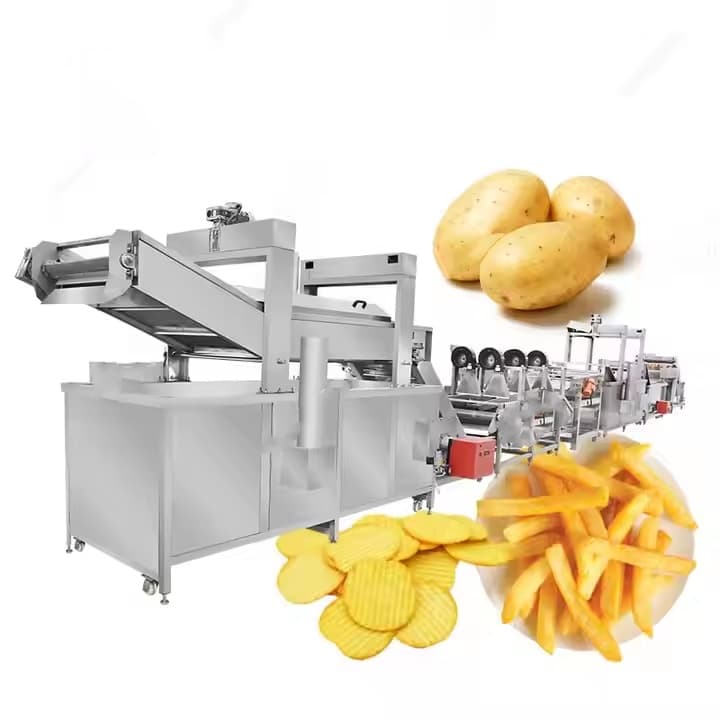
4.4 Industrial
- Equipped with powerful motors and tempered steel blades.
- Ability: 100–500 kg/hour.
- Used in frozen food factories.
5. Benefits of using a French fries maker
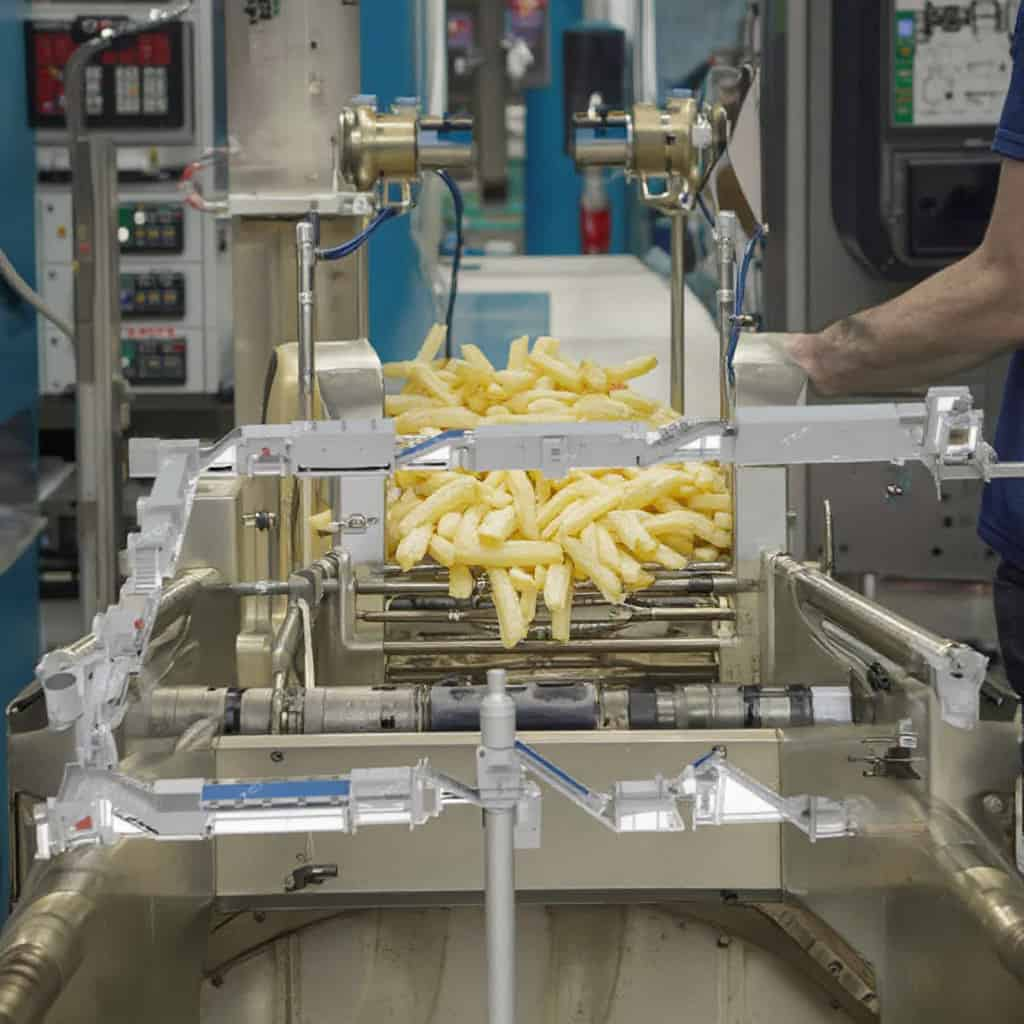
- Product standardization: all potatoes are the same size.
- Higher production speed: time savings during peak hours.
- Safety and hygiene: equipment designed to meet health standards.
- Labor cost savings: less human effort.
- Best presentation of the dish: fundamental in the customer experience.
6. Buying guide: how to choose the right machine?
Before purchasing a French fry maker, it is important to consider:
- Output (home, restaurant or industry?).
- Available space in the kitchen.
- Energy source (the electrical manual).
- Required cutting sizes.
- Availability of spare parts and technical service.
- Security certifications.
7. Technical maintenance
Good maintenance prolongs the useful life of the equipment. Recommendations:
- Daily cleaning: disassemble blades and wash them with hot water.
- Periodic lubrication: in moving parts (except those in contact with food).
- Sharpening or replacing blades: every 6–12 months depending on use.
- Electrical check: for industrial equipment, each 6 months.
8. Innovations in the market
The latest trends include:
- Machines with smart sensors that detect jams.
- Multifunctional cutting systems: allow different shapes (wavy, waffle fries).
- Improved energy efficiency, reducing electricity consumption.
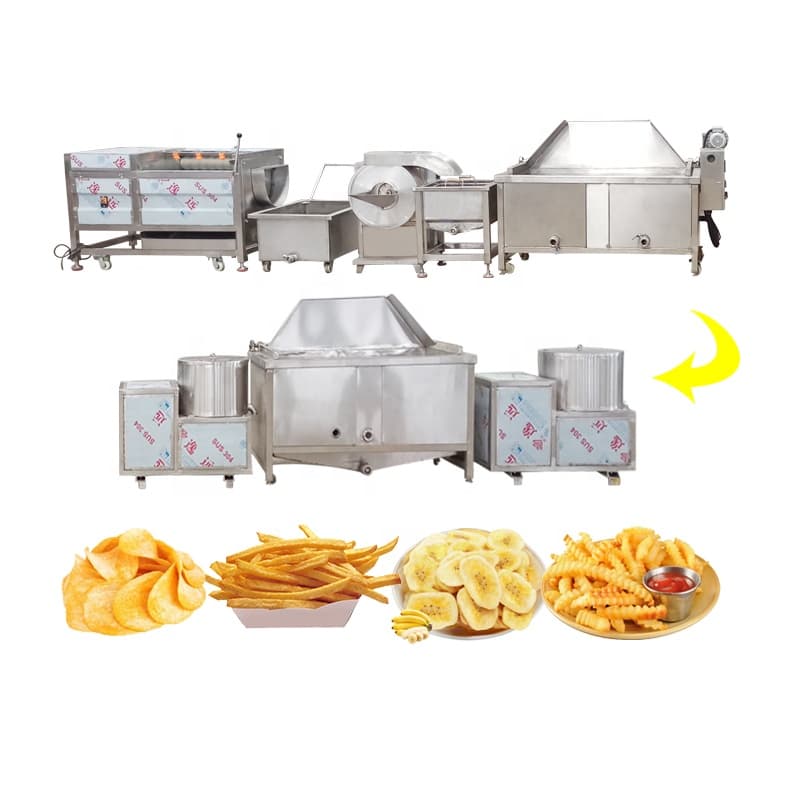
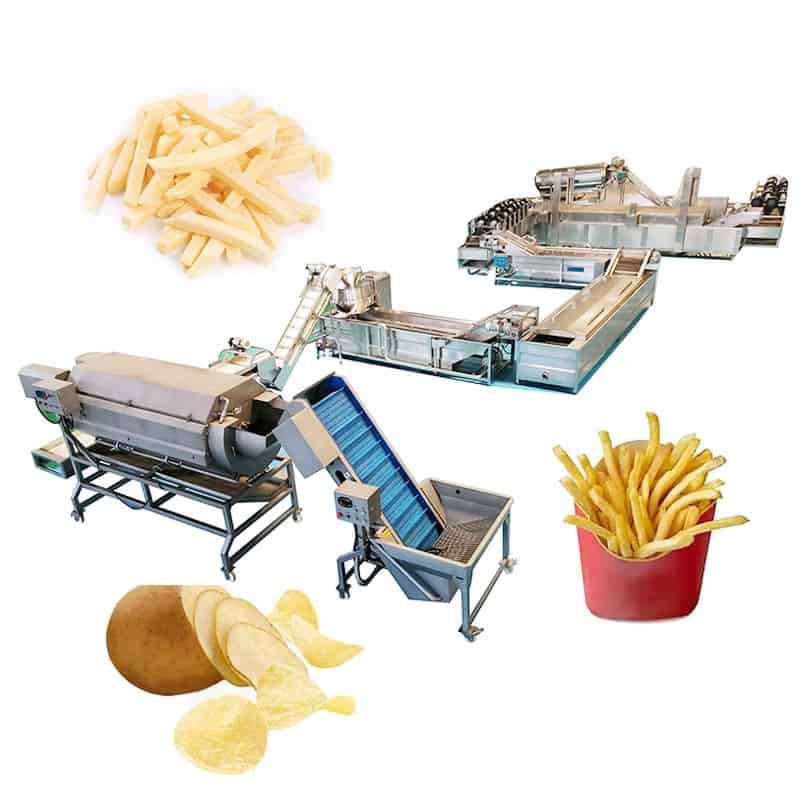
- Integration with automated production lines in the industry 4.0.
9. French machine to make potatoes
The French machine to make potatoes It is an essential equipment in modern kitchen. Its importance does not lie only in the speed, but in the standardized quality and security it brings to the production process.
Knowing your Technical parameters (dimensions, power, ability, materials and certifications), Any user – from a fast food entrepreneur to an industrial factory – can make an informed decision and ensure that their investment is profitable in the long term.
In summary: if you are looking to improve your productivity, reduce costs and offer a homogeneous product, The most effective solution is to invest in a Machine for french fries with technical specifications appropriate to your business.