
The fruit and vegetable processing industry has become one of the most dynamic sectors within the global food market.. At the moment, Millions of consumers are looking for healthier foods, practical and easy to store. For that reason, processed products such as frozen vegetables, dehydrated fruits, Natural juices and vegetable snacks are in increasing demand.
Besides, the growth of supermarkets, restaurants, Hotels and fast food chains constantly drive the need for high-quality processed food products. At the same time, Farmers and entrepreneurs see great opportunities to transform fresh raw materials into products with greater commercial value.
However, Starting a fruit and vegetable processing business requires planning, investment and technical knowledge. It is not enough to buy machinery. It is also necessary to analyze the market, choose the right product, Design an efficient production flow and comply with food safety standards.
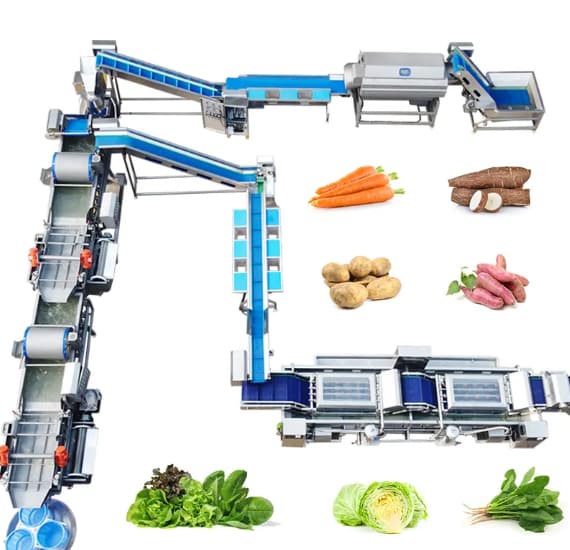
What is a fruit and vegetable processing business?
A fruit and vegetable processing business transforms fresh produce into processed foods with longer shelf life and greater added value. Thanks to modern technology, manufacturers can produce safe food, hygienic and easy to transport.
Generally, processing includes several industrial stages, as:
- Washing
- Classification
- Naked
- Court
- Crushed
- Scald
- Freezing
- Drying
- Frying
- Pasteurization
- Packing
Depending on the type of product, the production line may be small, medium or fully automated.
For example, a frozen vegetable plant needs washing systems, court, scald, IQF freezing and packaging. Instead, a juice factory requires crushers, extractors, filters, pasteurizers and fillers.
Advantages of starting this type of business
Fruit and vegetable processing offers multiple commercial advantages. Due to the growth of the food sector, many companies make stable profits over long periods.
Increased demand for processed foods
Nowadays, Consumers prefer products ready to cook or consume. As a result, Supermarkets need reliable suppliers of processed foods.
Besides, Modern families have less time to prepare fresh foods daily. Therefore, frozen and prepared products continue to grow in popularity.
Reduction of agricultural losses
Fresh fruits and vegetables are highly perishable.. No processing, large amounts of agricultural products are wasted after harvest.
However, by freezing, drying or pasteurization, manufacturers can significantly extend the shelf life of food.
Greater added value
A fresh tomato has less commercial value than derived products such as sauce, pasta or ketchup. In the same way, Processed fruits generate higher profit margins than original raw materials.
Export opportunities
Many countries import processed fruits and vegetables due to the growing demand for healthy foods. For that reason, This business can easily expand into international markets..
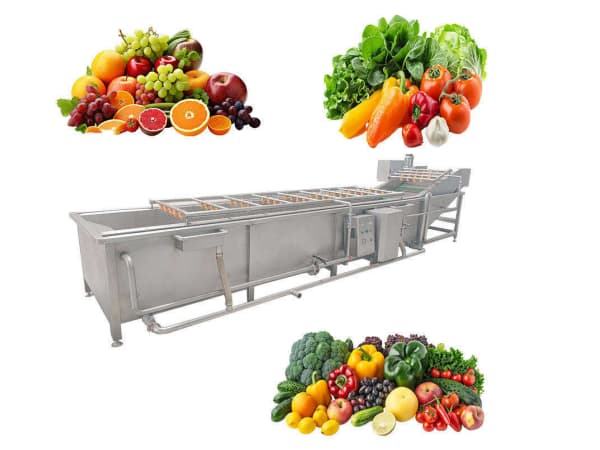
Research the market before investing
Before opening a plant, It is essential to carefully study the market. Proper research helps reduce risks and improve profitability.
Analyze local demand
First, You must identify which products have the greatest consumption in your region.
Some popular examples include:
- frozen fries
- IQF Vegetables
- mango juice
- tomato puree
- Dried fruits
- peeled garlic
- fried onion
Besides, It is advisable to analyze the consumption trends and eating habits of potential clients.
Study the competition
Besides, Analyzing competitors allows us to detect opportunities for improvement.
You must observe:
- Product quality
- Packaging design
- Production capacity
- Prices
- Distribution
- Automation level
In many cases, better presentation or more consistent quality can make a difference in the market.
Define the target customer
Each market segment has different needs. For example, restaurants require large volumes, while supermarkets prioritize attractive packaging.
Potential clients may include:
- Supermarkets
- Hotels
- Restaurants
- Distributors
- Catering companies
- Exporters
- Food industries
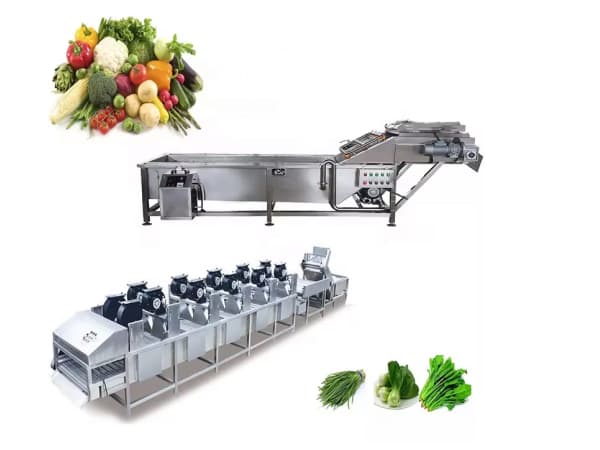
Prepare a professional business plan
A well-structured business plan helps organize the project and attract investors.
Besides, facilitates financial and operational control during the growth of the company.
Main objectives
You must clearly define:
- Type of products
- Production capacity
- Target market
- Business strategy
- Automation level
Initial budget
The initial investment usually includes:
- Industrial machinery
- Plant construction
- electrical installations
- water systems
- Cold chambers
- Legal costs
- Raw materials
Financial analysis
It is also important to calculate:
- Operating costs
- Profit margin
- balance point
- Investment return
Thanks to this analysis, you will be able to make safer and more sustainable decisions.
Choose the right location
Location directly influences costs and logistics efficiency.
Therefore, selecting the right location can significantly improve profitability.
Proximity to agricultural areas
When the plant is close to the crops, Products arrive fresher and transportation costs are reduced.
Besides, raw material supply becomes more stable.
Water availability
Industrial processing consumes large amounts of water for washing, cleaning and production.
Therefore, It is essential to have a safe and constant source of water.
Stable electricity
Industrial machines require continuous power. Consequently, the plant must have a reliable electrical infrastructure.
Logistics access
In addition, the location must facilitate the entry and exit of trucks for distribution and export.
Choose the right products
Not all products have the same level of profitability. For that reason, Product selection is a strategic decision.
frozen vegetables
IQF vegetables have high international demand.
Among the best-selling products are:
- Broccoli
- Carrot
- Corn
- peas
- Spinach
Potato products
Potato is one of the most used raw materials in the food industry..
For example:
- frozen fries
- potato chips
- instant puree
Processed fruits
Fruits can be transformed into:
- Juices
- Jams
- Dehydrated fruits
- frozen pulp
Garlic and onion products
Processed garlic and fried onion have applications in restaurants, frozen foods and fast food.
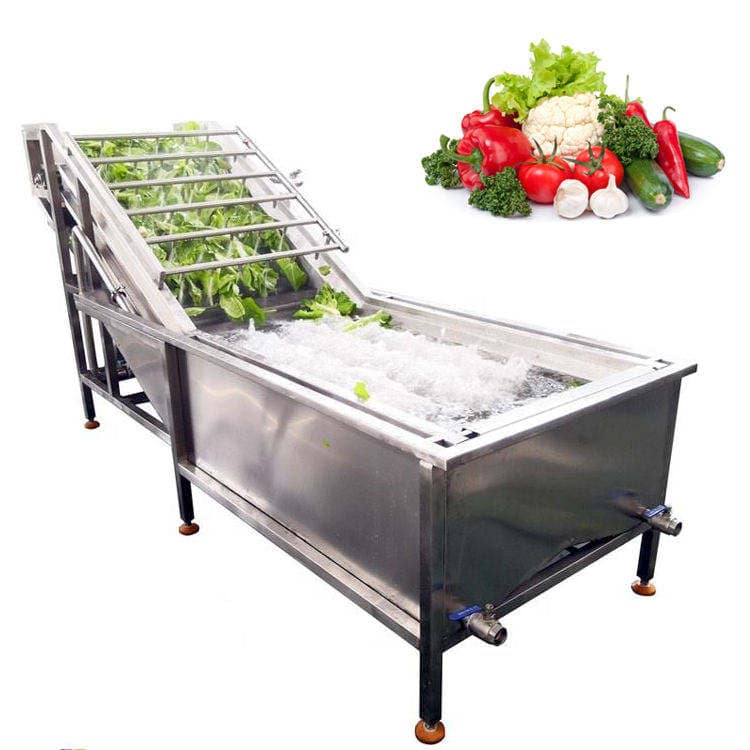
Machinery needed for a processing plant
Machinery determines efficiency, quality and production capacity.
For this reason, It is important to select reliable and durable industrial equipment.
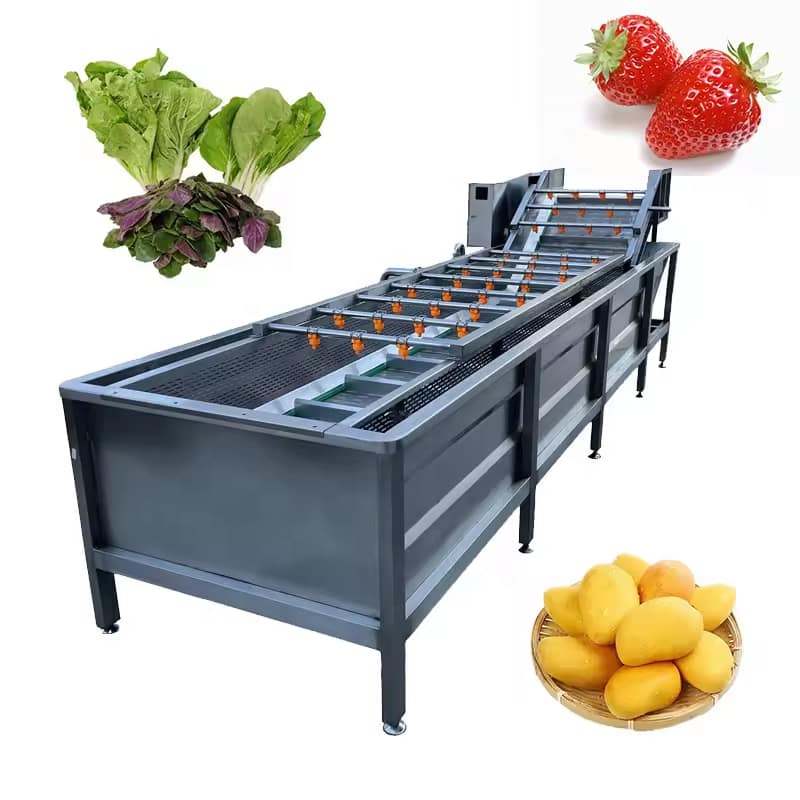
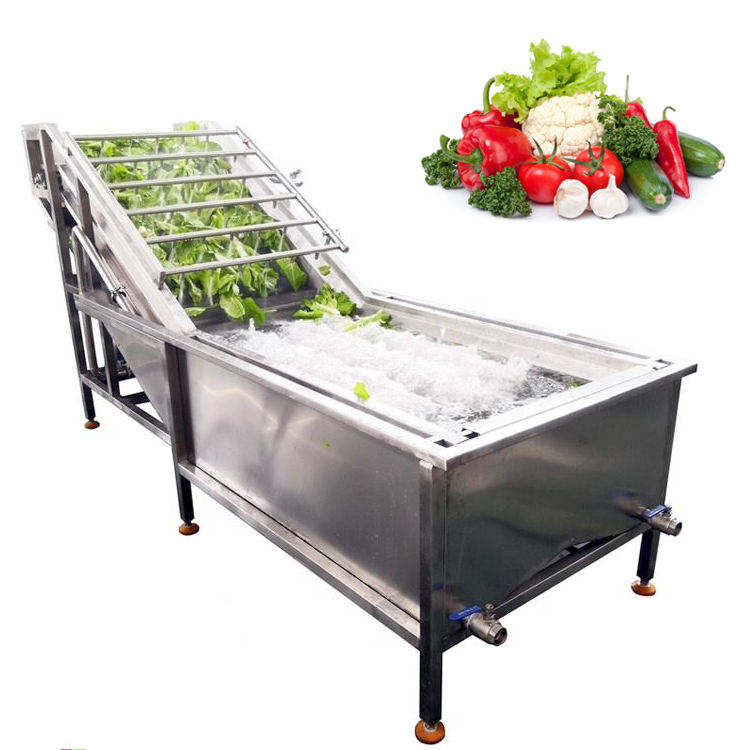
Washing systems
Washing machines remove:
- Tierra
- Dust
- Chemical waste
- bacteria
The most commonly used systems include:
- Bubble washing machine
- brush washer
- Spray Washer
Classification teams
After washing, Products must be classified according to size and quality.
At the moment, many plants use automatic systems with optical sensors.
Peeling machines
Industrial peelers are essential for products such as:
- Papa
- Carrot
- Mango
- it
Depending on the product, can be used:
- steam peeling
- mechanical peeling
- Peeling with brushes
Industrial cutters
The cutters allow you to produce:
- slices
- Cubes
- Data
- Strips
Besides, uniform cutting improves the appearance and cooking of the final product.
Scalders
Blanching helps preserve color and texture before freezing or drying.
For example, frozen vegetables normally undergo blanching before entering the IQF freezer.
Continuous fryers
Industrial fryers are essential for producing snacks and French fries.
Besides, modern systems include automatic temperature control and oil filtration.
IQF freezers
Individual blast freezers allow you to maintain texture and quality.
Thanks to this technology, products do not stick to each other during freezing.
Drying equipment
Industrial drying is widely used for:
- garlic powder
- Dehydrated onion
- Dry mango
- Banana chips
At the moment, There are different technologies such as:
- Hot air drying
- Freeze drying
- Vacuum drying
Packaging systems
Finally, The packaging protects the product and improves its commercial presentation.
The most common formats include:
- Vacuum bags
- Pouches
- Bottles
- Cans
Design an efficient production flow
Efficient design reduces waste and improves productivity.
Normally, the industrial flow follows this sequence:
- RECORD OF RAW MATERIAL
- Washing
- Classification
- Naked
- Court
- Scald
- Main processing
- Cooling
- Packing
- Storage
Besides, a good layout facilitates maintenance and cleaning.
Comply with food safety standards
Food safety is one of the most important factors within the industry.
Therefore, all plants must meet strict standards.
Common certifications
The most important ones include:
- HACCP
- ISO 22000
- GMP
- FDA
These certifications improve customer confidence and facilitate export.
Hygienic design
Modern machines use food grade stainless steel.
Besides, Equipment must be easy to clean and resistant to corrosion.
Hire trained staff
Although automation reduces labor, trained staff remain essential.
Generally, a plant needs:
- Operators
- Technicians
- Supervisors
- quality inspectors
- Packaging staff
In addition, Continuous training improves productivity and reduces errors.
Automation and modern technology
At the moment, Industrial automation is a fundamental trend in the food industry.
Thanks to modern technology, plants can produce more with lower operating costs.
Most used technologies
- industrial PLCs
- Touch screens
- Smart sensors
- IoT Systems
- Packaging robots
Main benefits
Greater productivity
Automatic lines can operate continuously for long hours.
Better quality
Besides, automation improves product consistency.
Less pollution
Since there is less human contact, health risks are considerably reduced.
Costs to start the business
The investment depends on the size and level of automation of the plant.
small plant
Generally requires between USD 20,000 y USD 80,000.
Medium plant
It can cost between USD 100,000 y USD 500,000.
Large industrial plant
In many cases, investment exceeds USD 1 million.
However, Automated plants tend to offer better long-term returns.
Marketing strategies to increase sales
A good product needs an efficient commercial strategy.
Create an attractive brand
Packaging design greatly influences the purchasing decision.
Therefore, It is advisable to invest in image and presentation.
Marketing digital
At the moment, Social media and websites are essential tools for promoting products.
Besides, e-commerce opens new sales opportunities.
Participate in international fairs
Food exhibitions allow you to find buyers and distributors.
In addition, help you learn about new technologies and trends.
Future trends in fruit and vegetable processing
The industry will continue to grow over the next few years.
Greater consumption of healthy foods
More and more consumers prefer natural products that are low in preservatives..
Intelligent automation
Artificial intelligence will play a more important role in quality and production control.
Sustainable production
Many companies seek to reduce:
- Energy consumption
- Water use
- Food waste
Ecological packaging
Biodegradable materials will become increasingly popular.
Conclusion
Starting a fruit and vegetable processing business can become an excellent opportunity within the modern food industry.. Due to the growth in the consumption of processed foods, there is a constant demand for safe products, practical and high quality.
However, Achieving success requires much more than buying machinery. You also need to research the market, select profitable products, implement quality systems and use modern automation technologies.
Besides, companies that invest in energy efficiency, Food security and sustainable production have greater possibilities for long-term growth.
With proper planning, reliable machinery and a solid business strategy, A fruit and vegetable processing plant can become a profitable and competitive business in the global market.